
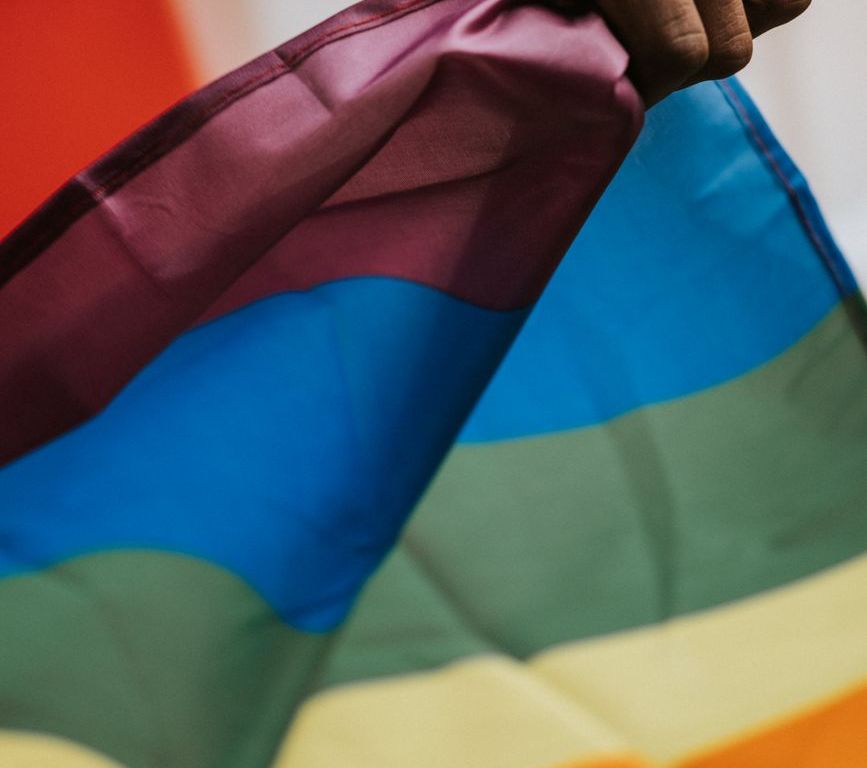
Pride Month is often associated with parades, parties, and a celebration of love and identity—but behind the festivities lies a powerful history rooted in protest and resilience. To understand why Pride is important, we have to go back to its origins: a response to oppression, not just an expression of joy.
The modern LGBTQ+ rights movement was ignited by the Stonewall Uprising in June 1969, when police raided the Stonewall Inn, a gay bar in New York City. At the time, raids and harassment of queer spaces were common—but on that night, the patrons fought back. Led by trans women of color like Marsha P. Johnson and Sylvia Rivera, the uprising marked a turning point in the LGBTQ+ liberation movement. A year later, activists commemorated the event with the first Pride marches, planting the seeds of a global movement.
Over the decades, Pride has evolved—from a protest into both a celebration and a reminder of the battles still being fought. We’ve seen major milestones like the repeal of “Don’t Ask, Don’t Tell,” the legalization of same-sex marriage in many countries, and growing trans visibility. But Pride also shines a light on the ongoing challenges—rising anti-LGBTQ+ legislation, violence against trans people (especially Black and brown trans women), and systemic inequalities that still impact the community.
Pride Month isn’t just about rainbow flags and parades—it’s about honoring the bravery of those who stood up when it wasn’t safe to do so. It’s about holding space for those who can’t live openly today, and fighting for a future where everyone can. As we celebrate, let’s remember: Pride is political. It’s protest. It’s power. And it’s not over.


I want to read Marsha and One Fine Day in June.
LikeLike